Questions
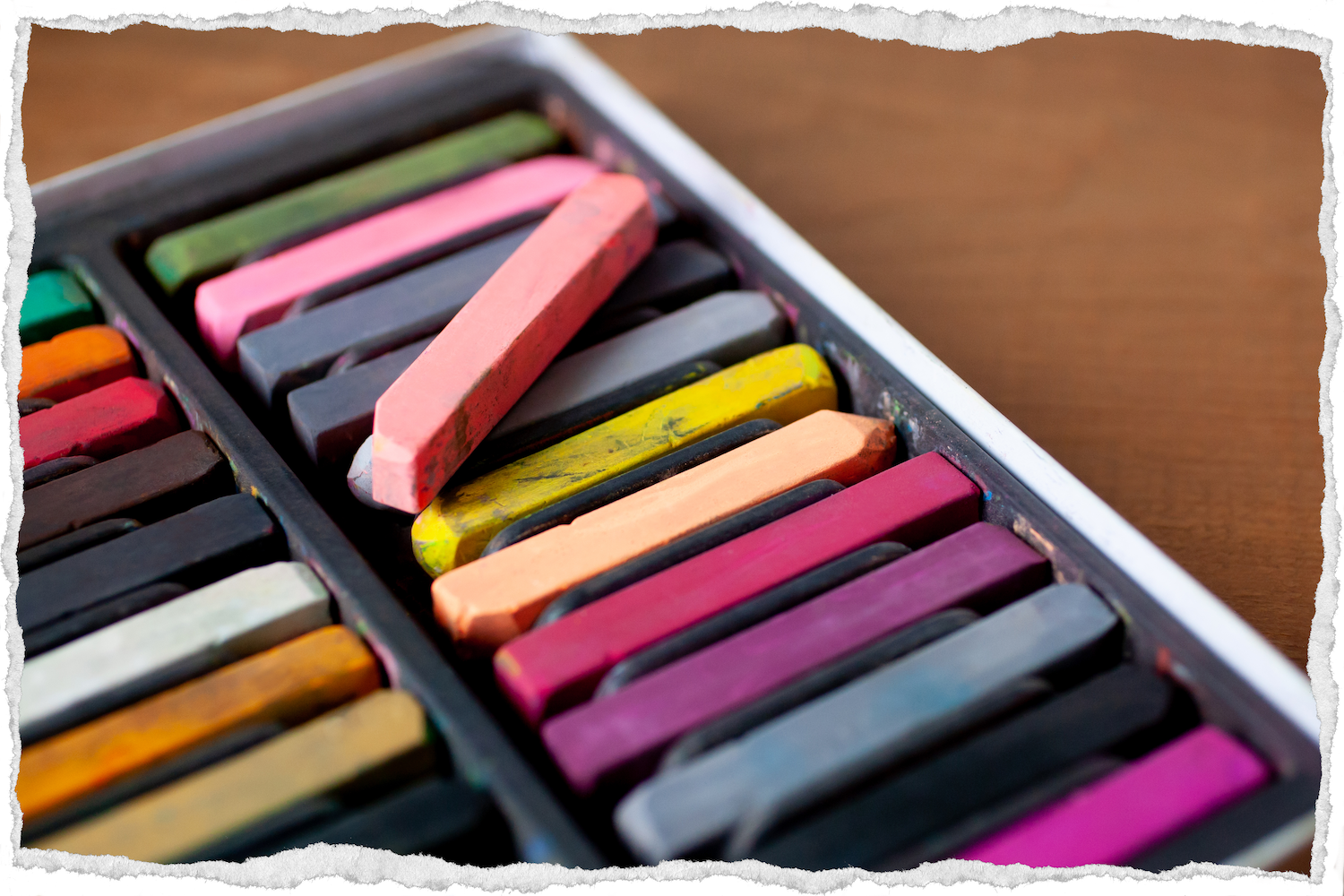
Art psychotherapy is essentially a non-verbal approach using art materials. This method is for anyone, of any age to explore difficult thoughts, feelings or experiences they may find confusing or distressing and struggle to find the right words to express themselves.
No you do not need to be good at art or have any previous experience. The emphasis is on the psychotherapeutic relationship that we build together. Your experience is personalised to you. Whether this is through creative methods or simply just talking.
The psychotherapeutic relationship is built on trust therefore it is really important for you to feel comfortable, safe and without pressure or judgement. Talking on the phone in the first instance should be enough for you to see how you feel, whether you are able to feel comfortable enough that you would want to meet face to face.
This is essentially a non-verbal therapy. Using art materials can create a safe space between you and your difficult experiences. The artwork can enable you to find words, expressions and meaning where you may have struggled. Providing you with a sense of relief when sharing visually, non-verbally and verbally.
The session begins with a ‘how are you?’ We think about how you would like to use the space. If this involves just talking, this is ok. If you choose to use the art materials we decide on a length of time that includes the exploration of your artwork. Each session might be different because your feelings/needs might change through the process. Throughout the session we will be enabling the processing of your thoughts and feelings. We draw the session to a close with an understanding of how you are feeling in the here and now before you leave.
This would be something we would explore on an individual basis.
We would meet for an initial consultation. I recommend four sessions to begin with. This allows us both enough time to see whether you feel comfortable enough to build a trusting psychotherapeutic relationship together. During these four sessions we will identify areas for exploration whilst also thinking about your therapeutic goals. From this point on we will mutually agree on how you could use this process going forward.
All your artwork is confidential and belongs to you. At the end of your session it is usual practice for you to leave your artwork, and the associated feelings with it, with the Art psychotherapist to hold. When you are coming to the end of your therapy you can decide what you would like to happen to your artwork. You may decide to take it with you. Or you may decide you would like to leave it with your Art psychotherapist for safekeeping for a period of time.
All art psychotherapy sessions are confidential. However, if something is disclosed that raises a concern, for example harm to self or others, I have a duty to share these concerns with relevant professionals or agencies, in a confidential manner.
At my studio near Andover in Hampshire. For group work arrangements would be discussed.
Art Therapist is a registered title with the HCPC (Health & Care Professions Council). You can look for someone’s registration on their website https://www.hcpc-uk.org/check-the-register/ To be registered with the HCPC you must have obtained an Undergraduate and a Master’s Degree in Art Psychotherapy.
For further information on Art Therapy, training and standards of practice visit the website of the BAAT (British Association of Art Therapists) – www.baat.org
Any person working with children and young people is required to have enhanced DBS (disclosure and Barring Service) clearance.
If you have any other questions please do give me a call on 07587 440178 or Click here to send me your question and I shall get back to you with an answer.
For further information on Art Therapy, training and standards of practice visit the website of the BAAT (British Association of Art Therapists) – www.baat.org
Any person working with children and young people is required to have enhanced DBS (disclosure and Barring Service) clearance.